The growers6 min
The people who pick it, and the desks they formed
Cooperatives grew up so the growers could sell past the middleman. This brand is not one of those cooperatives.
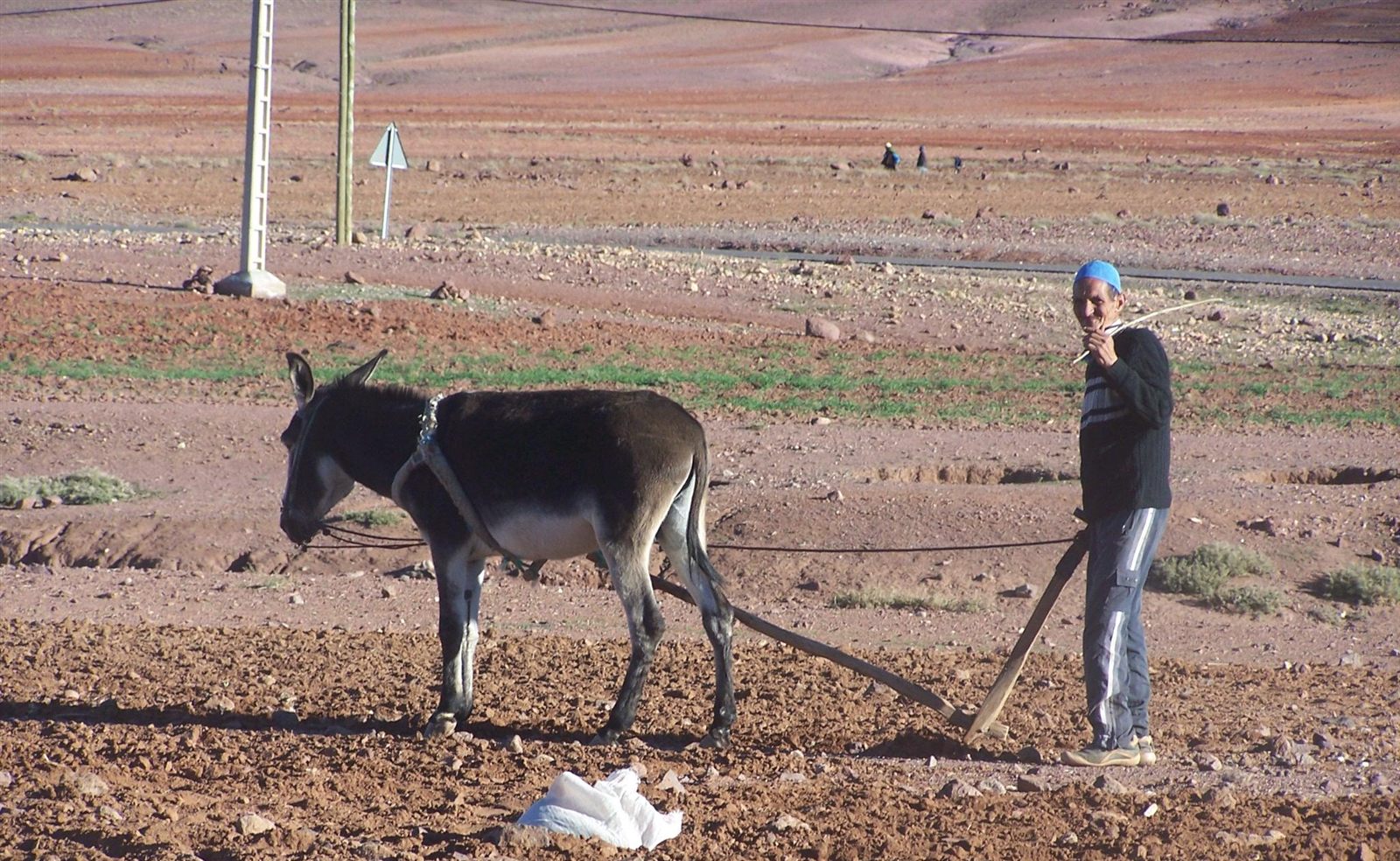
Growers around Taliouine were selling the threads cheaply to middlemen. They formed cooperatives so the sale could stay closer to the people who had been in the field at dawn. Some of those cooperatives are led by women. The harvest itself is widely described as women's work. We do not speak for any of them.
Two dates, and we will not collapse them
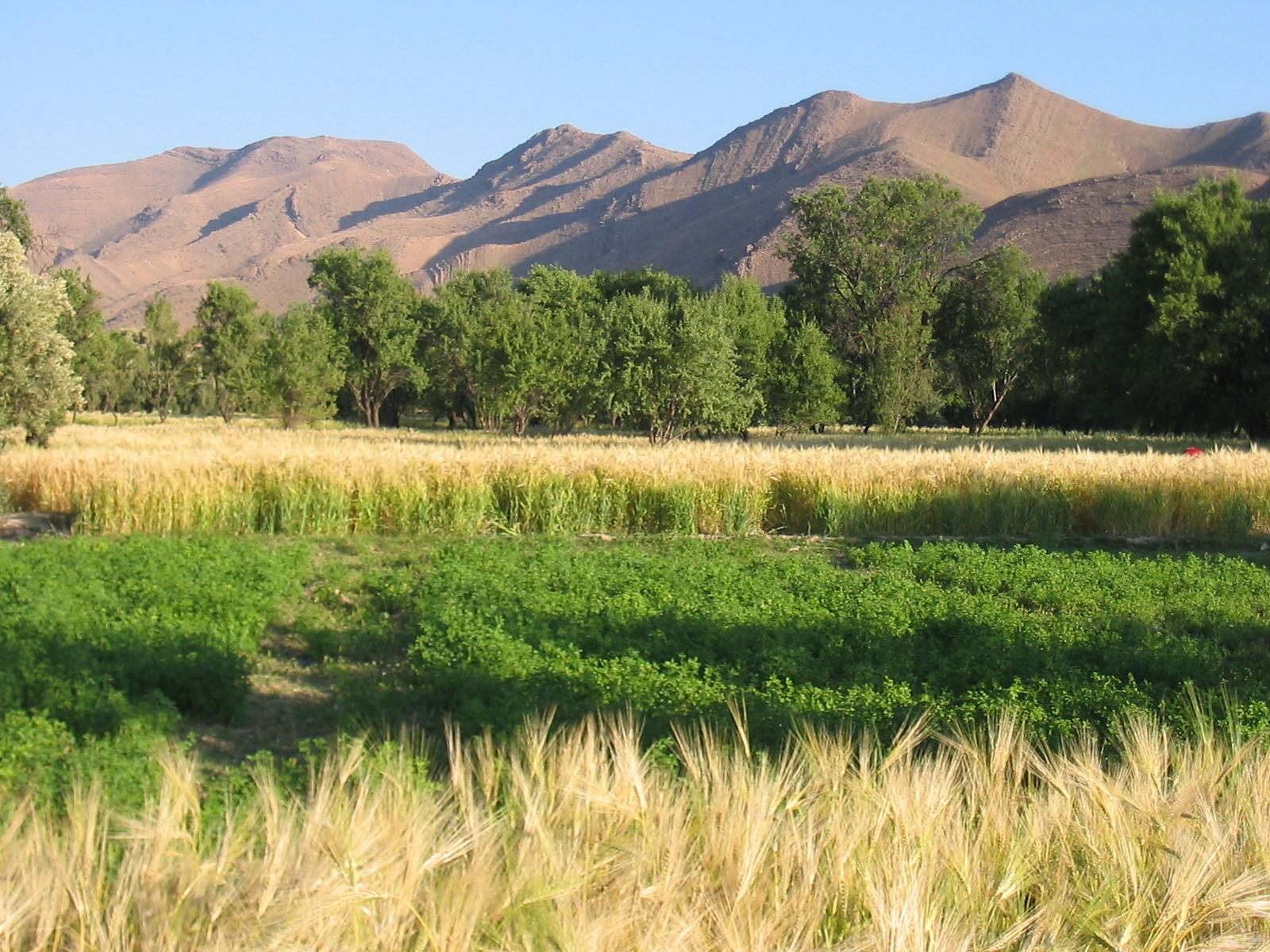
An older local note speaks of a cooperative that began its work around 1979. A later profile dates one named group, the Coopérative Agricole Taliouine, to July 2004, in Tassousfi, about twelve kilometres from the town. That profile describes eleven members in nine villages of the Tassousfi and Sidi Hssain communes. They also press olive oil. The point, as that group has put it, is a community of growers, not only a sales desk. The same profile names support from the regional agricultural office, ORMVA, and from Migrations et Développement. In 2007 the saffron was taken into a Slow Food Presidium. We have not sorted 1979 and 2004 into a single history, and we have not visited Tassousfi on your behalf.
That profile reported the one cooperative's saffron moving from 17 kilograms a year to 40 after the Presidium began. Read that as one older account of one small group. It is not Morocco's crop, it is not a yield per hectare, and it is not a price. More cooperatives have formed since. Souktana is one name a visitor may meet. None of those names is this website.
How to look at a thread is on Saffron Threads. What a lab is asked to measure is on Saffron Grades and Saffron Quality. Once the jar is home, the cupboard is on Saffron Storage. The field account, written without this brand, is on Saffron Farming.