The town6 min
The town the saffron is named for
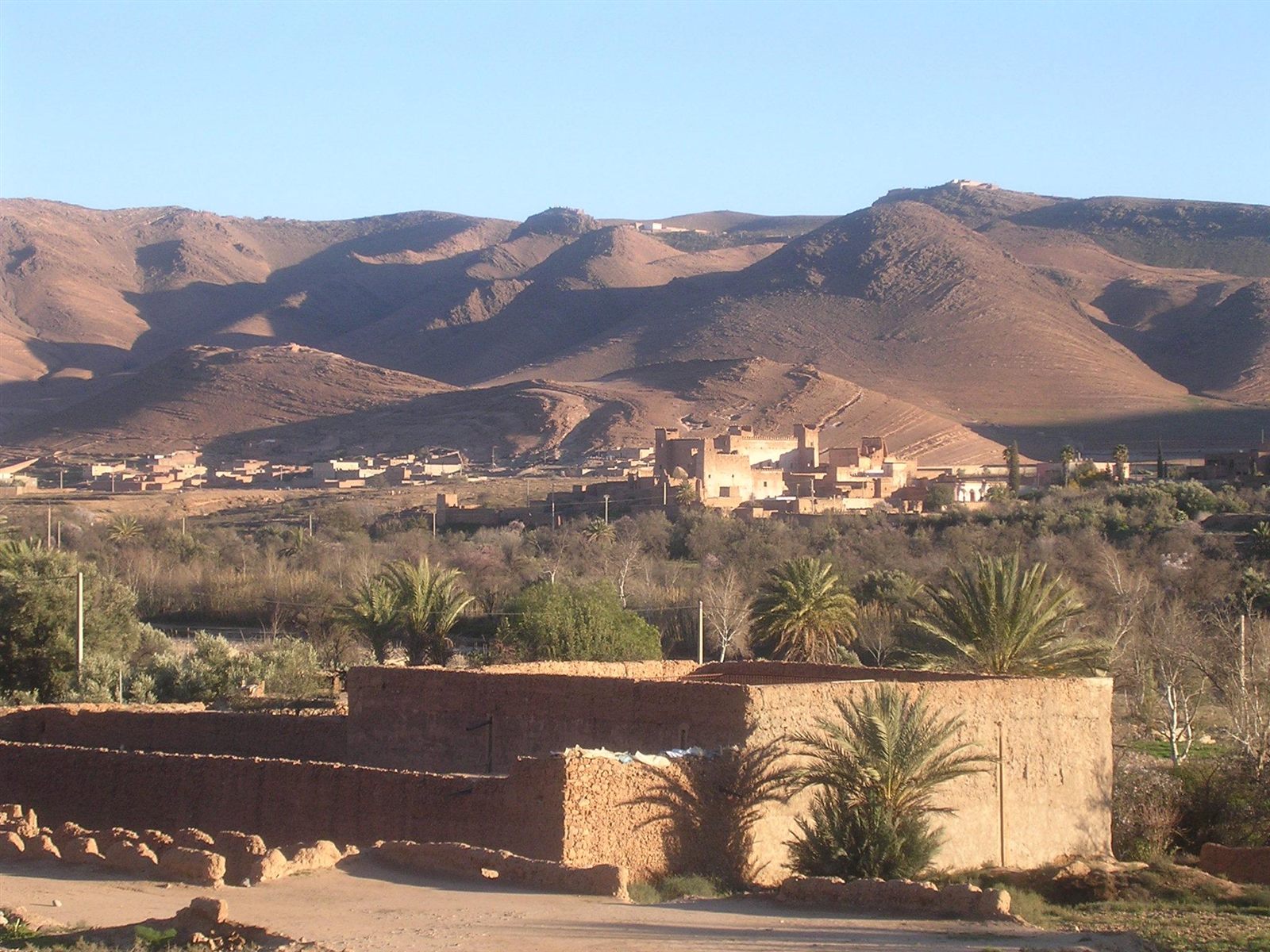
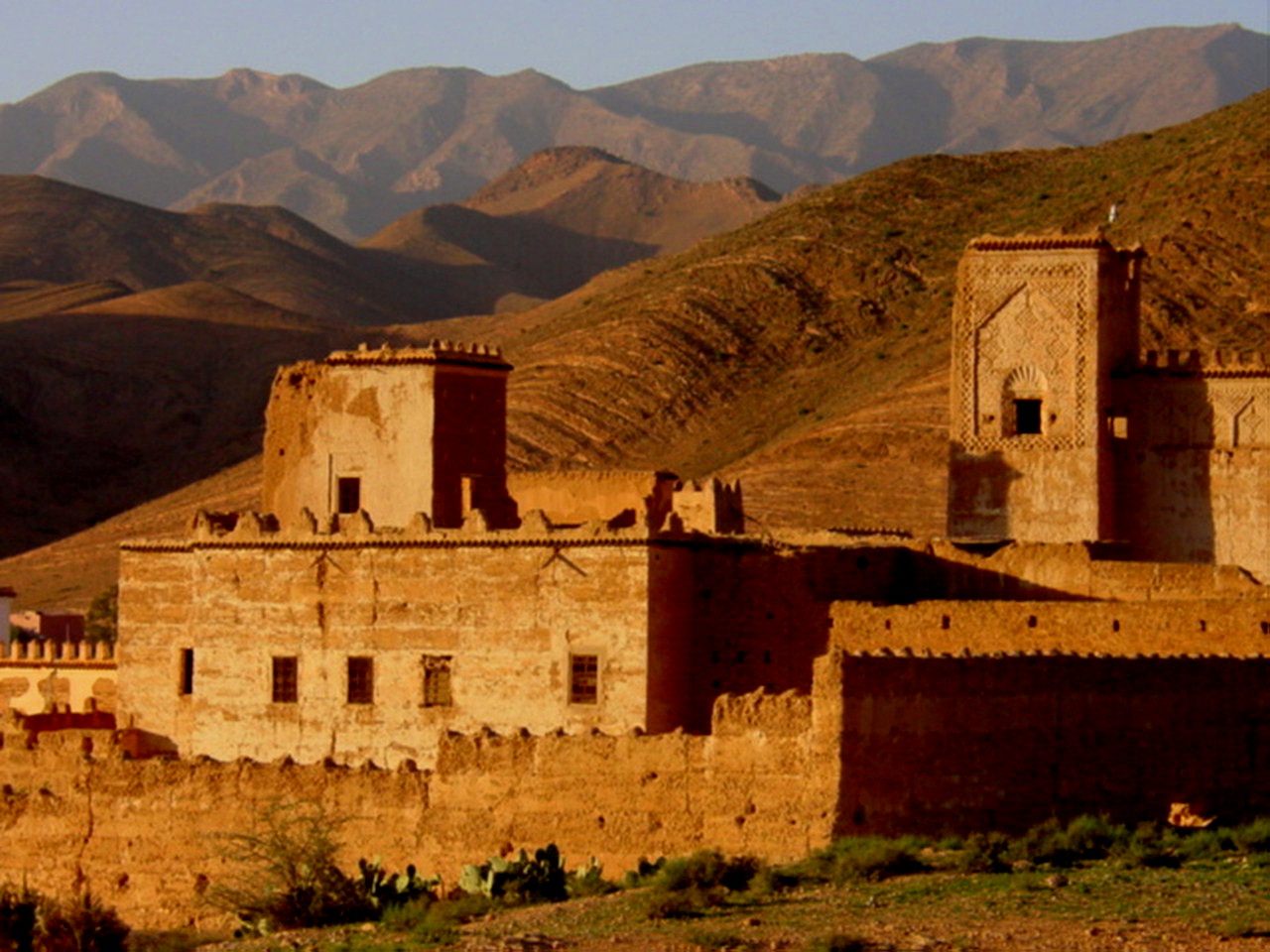
Taliouine, on the Souktana plateau under the Sirwa mountains. In English the name is said roughly tah-lee-WEEN.
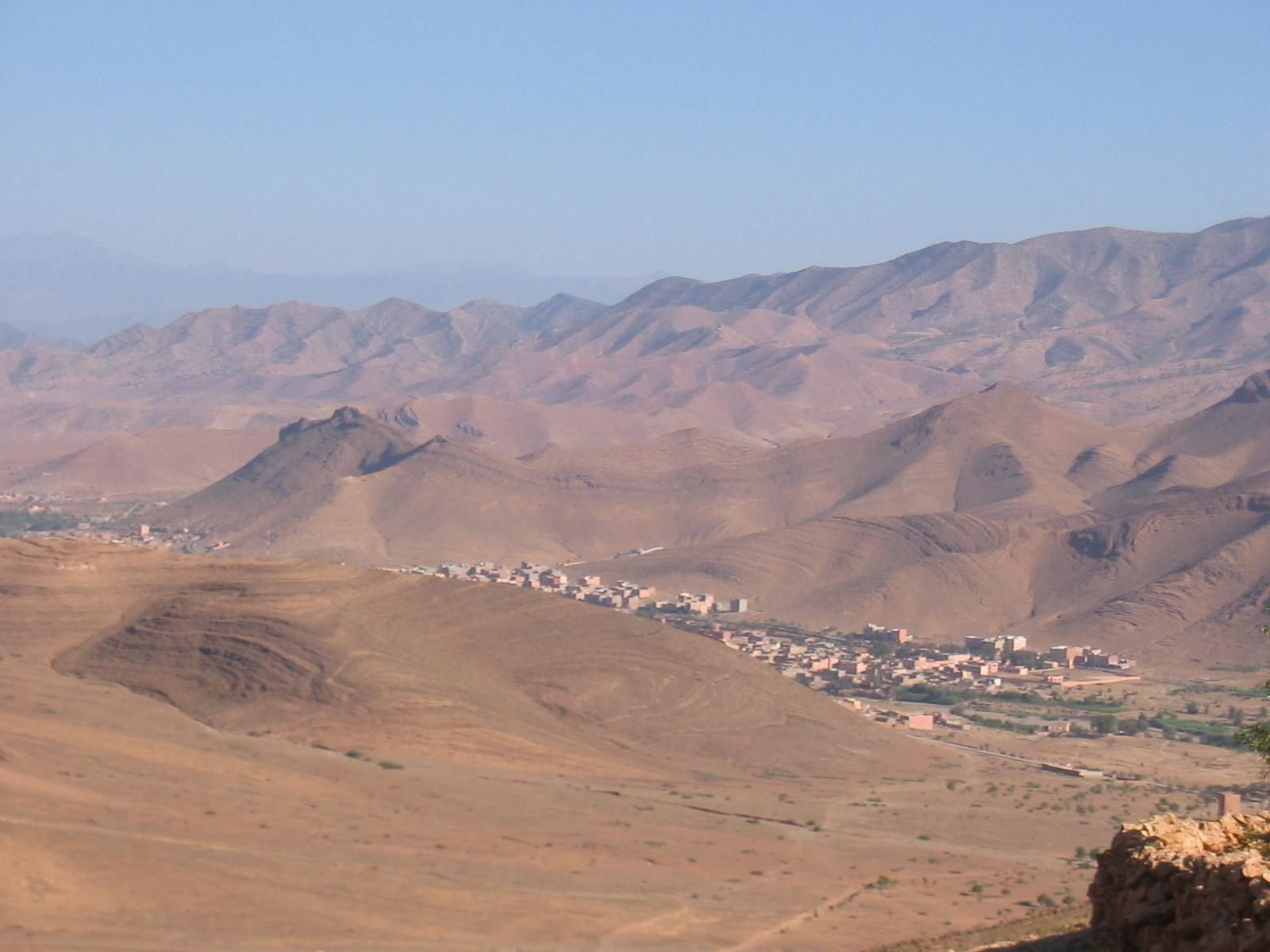
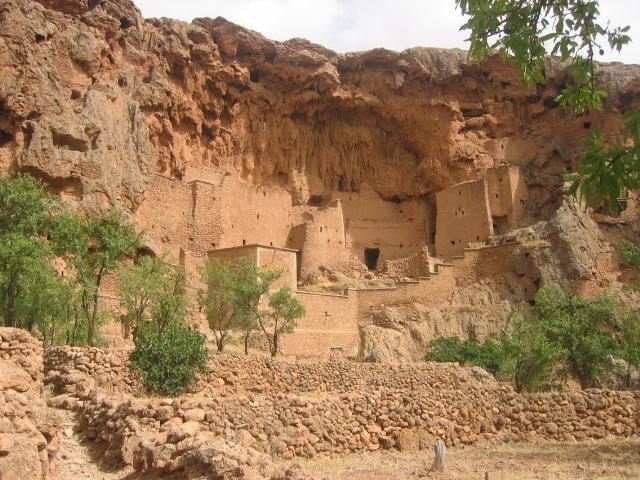
Taliouine is a town in Morocco's Souss-Massa, in Taroudant province, between the High Atlas and the Anti-Atlas. The historic saffron ground is the Souktana plateau, about 1,300 to 1,500 metres up, under the Sirwa massif. The Sirwa is a volcanic massif. The terraces the growers work are clay and limestone. In English the name is said roughly tah-lee-WEEN.
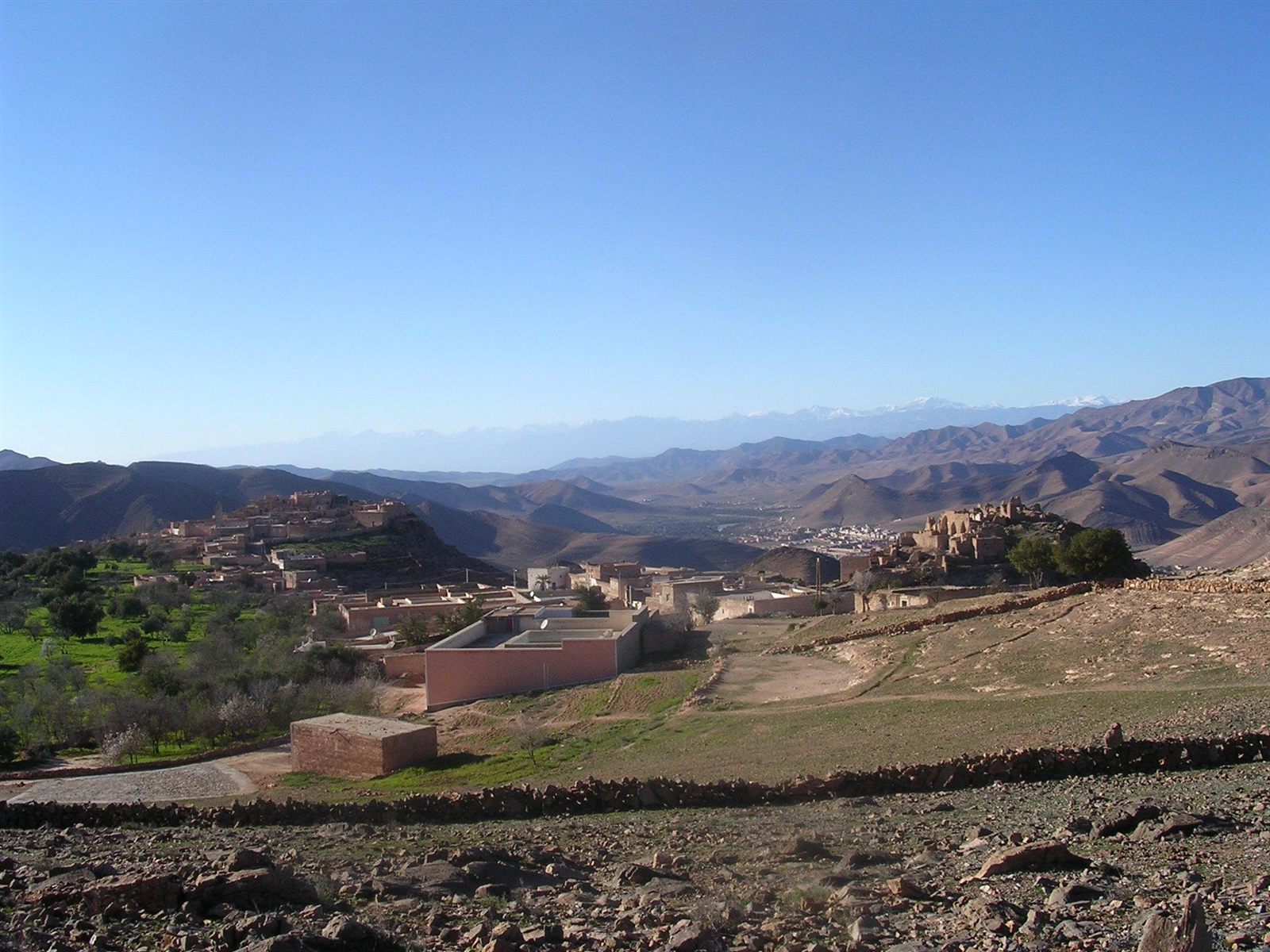
This is where we say the best saffron comes from. Nearly all of Morocco's saffron is grown around Taliouine and the neighboring circle of Tazenakht. This page will not turn that into a percentage, and it will not print a Moroccan retail price. Other countries grow saffron. A larger harvest somewhere else is not a grade, and it is not an argument against this plateau.
What the ground asks of the flower
An older local account, written as a guide to the valley rather than as a census, puts average rain near 220 millimetres a year and the saffron ground near 450 hectares, in several thousand small plots. It also puts a careful planting near 6 kilograms a hectare in a good year, and lower after that. We did not measure this year's rain or this year's hectares. The account is old enough that it should not be read as this year's map. Corms go in during the late summer. The beds want water in the autumn. The flowers open in a short window, often from late October into November.
The protected name for saffron from the defined zone is on the appellation. The morning the flowers are taken is on the dawn pick. The same ground, written as a field note without this brand, is on Saffron Farming.
How to look at a thread is on Saffron Threads. What a lab is asked to measure is on Saffron Grades and Saffron Quality. Once the jar is home, the cupboard is on Saffron Storage. The field account, written without this brand, is on Saffron Farming.